Posted on

Geology and everything

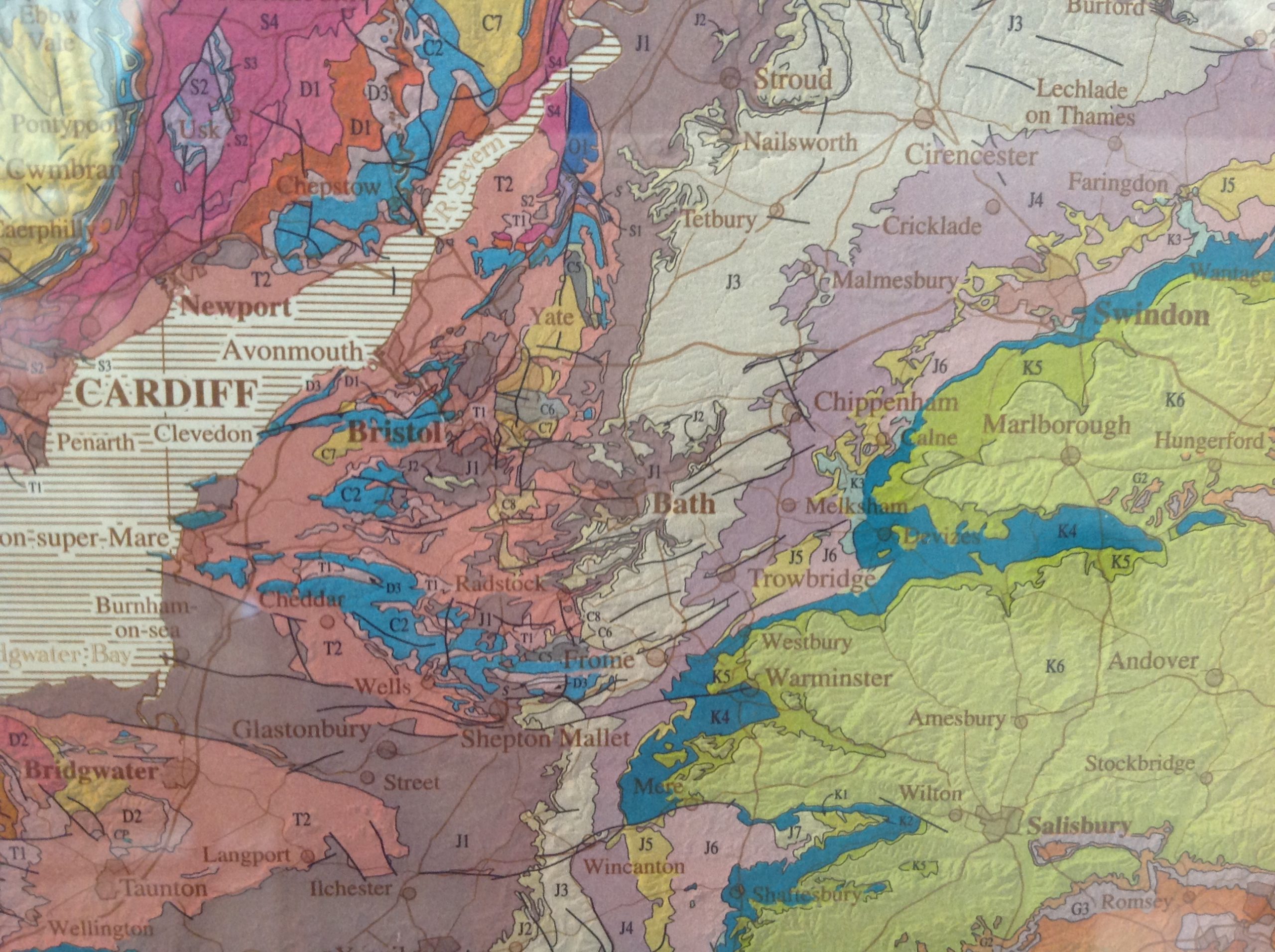
I went to Bath at the weekend, walking from Bradford on Avon along the canal, then through a mile long railway tunnel cut into the limestone. In Monkton Combe we passed the house of William Smith, who made the first geological map of Britain in 1815. The map shows the white streak of oolitic limestone which Bath is built of. The limestone was formed during the Jurassic, by small, round accretions of calcium carbonate deposited at the bottom of a shallow sea. Either side of the limestone are layers of mudstone and fuller’s earth, a type of calcium rich bentonite clay. William Smith put money into a Bath stone mine, which unfortunately produced only inferior stone and he had to go to debtors’ prison. He was not recognised until old age as the father of British geology.

During the walk, we noticed many wild flowers which grow in chalk soils,  including Bath asparagus, ornithogalum pyrenaicum, which only grows in seven counties but is common around Bath and Bristol. The shoots used to be eaten as asparagus. In the grounds of Monkton Combe school, we saw bee orchids, ophrys apifera, which look like little brown bees with pink wings.


Bath asparagus
Bee orchid

In the Monkton Combe village churchyard was the grave of Harry Patch, the last surviving soldier of the First World War, who died in 2009 aged 111.

I was interested in how the underlying limestone has affected the landscape, the flowers that grow there and the birds and animals. During the walk we heard chiffchaffs, saw a kestrel carrying a mouse, passed ducklings and dragonflies, as well as yellow irises, purple hedge woundwort and pink geranium pyrenaicum, hedgerow cranesbill.

We went through a very long, dark tunnel through the limestone hill, walked across Bloomfield Green and ended up in Bath, the city made of beautiful Georgian houses of cream coloured limestone.
 

Posted on

Marks and Tools exhibition with Design Nation

Last week I took part in an exhibition on Marks and Tools put together by Design Nation at Oxo Tower Wharf. The curator was Liz Cooper, who brilliantly pulled together all the work from 23 different makers and designers. Interiors journalist Barbara Chandler wrote an online showcase about the makers and their tools. As well as ceramics, glass, textiles and furniture, there were photographs of all the makers using their favourite tools and talks from textile artist Margo Selby,  glass blower Michael Ruh and ceramicist and printmaker Hannah Tounsend. Other exhibitors included Anna Gravelle who makes tufted textiles, Gillies Jones who make beautiful glass bowls and furniture designer Hugh Miller. What I loved about the exhibition was that it showed furniture, tableware, textiles, lighting and wall pieces together as you would have them in your home, rather than the way they are usually separated into different categories in museums. Design Nation bring together designers and makers from different areas, encouraging collaboration and innovation.

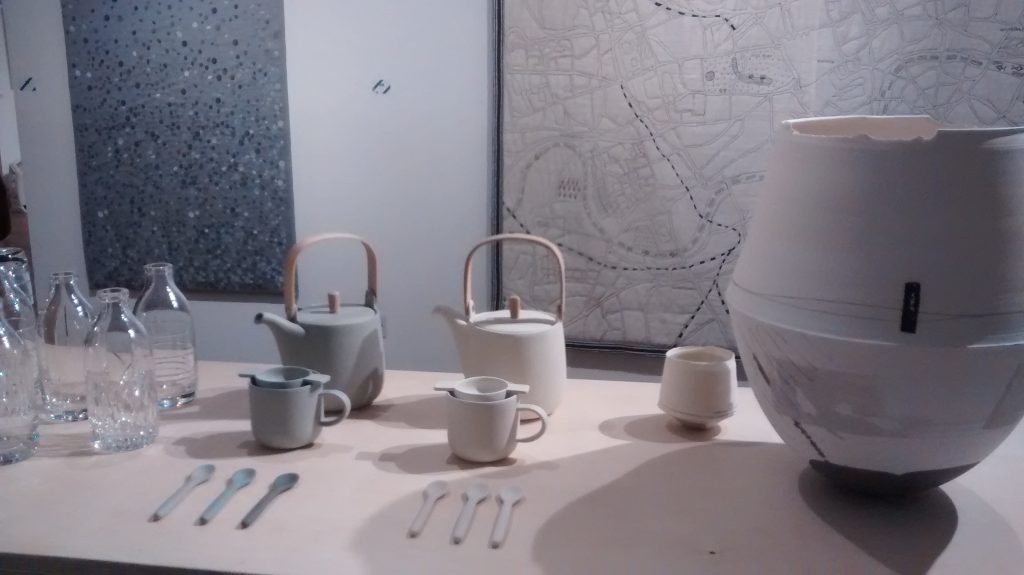
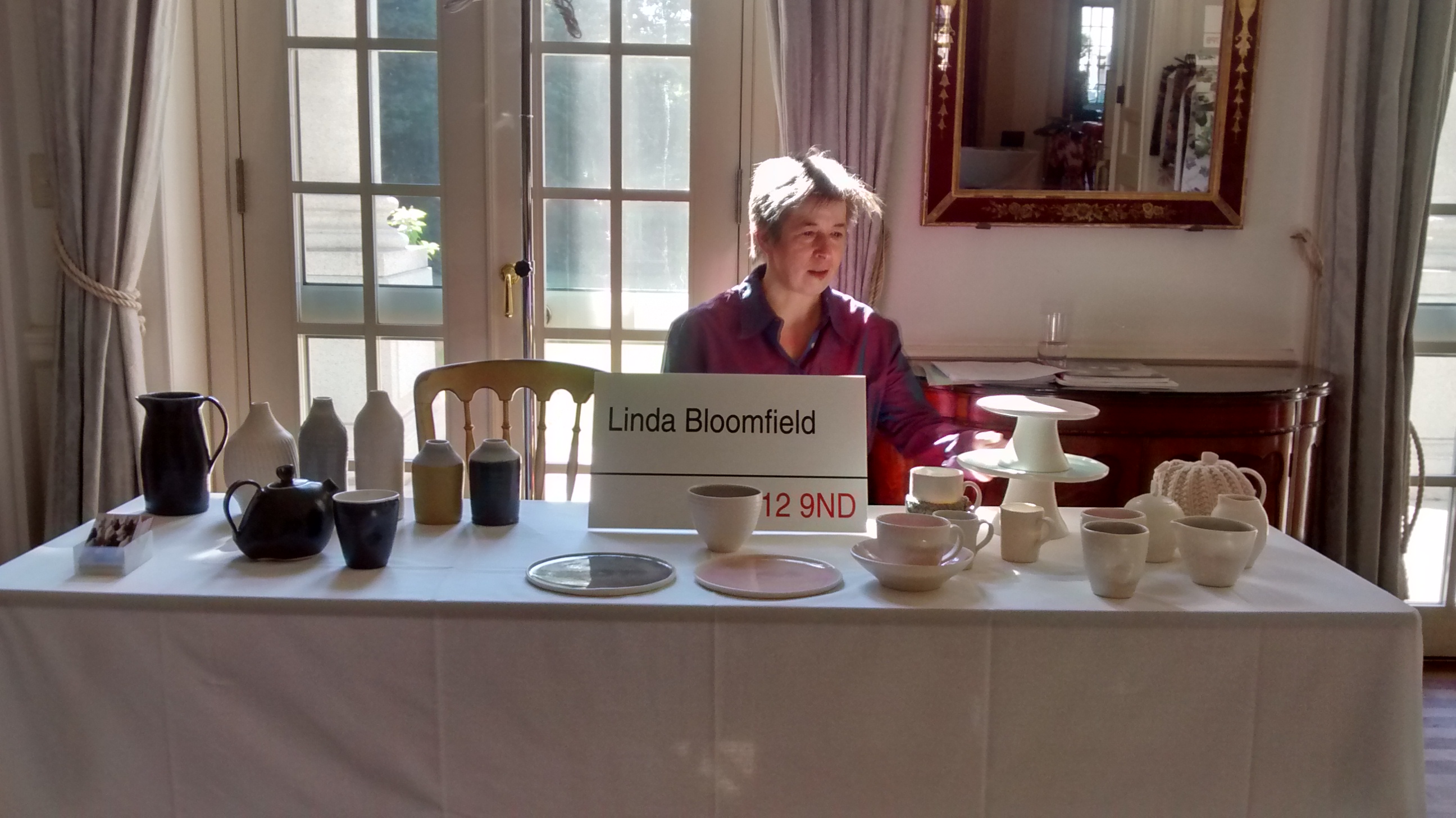
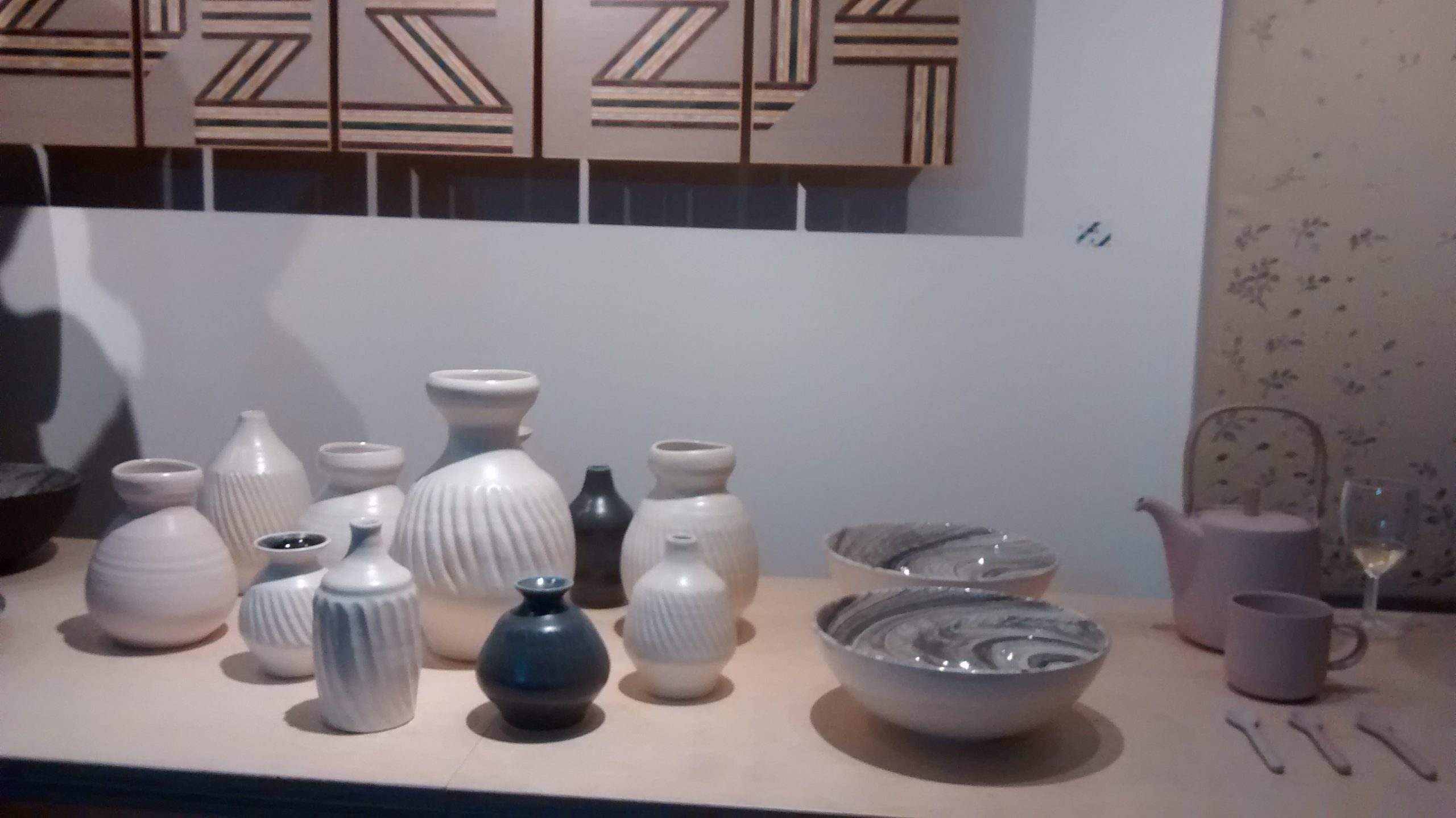
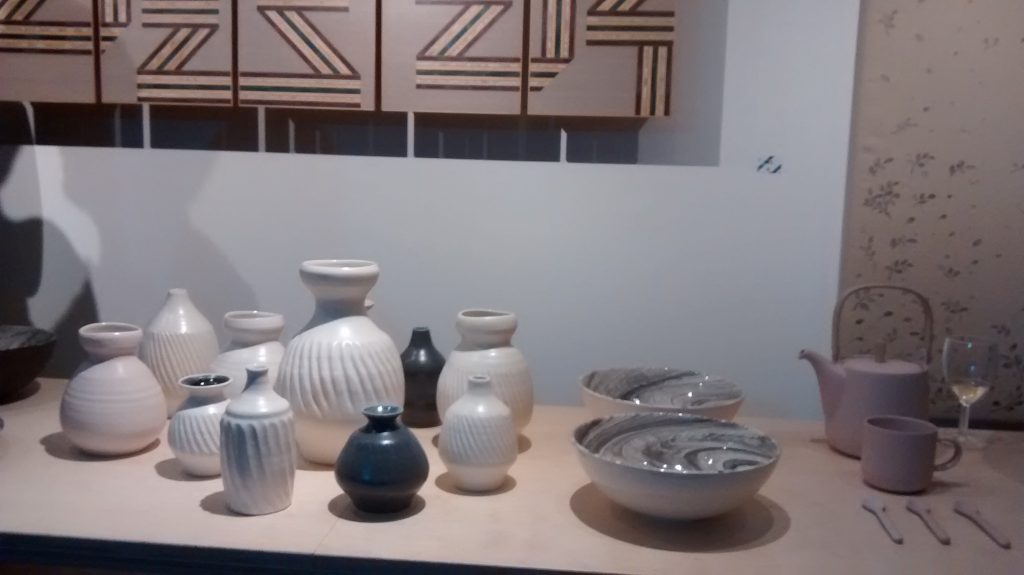
Vases and bottles by Linda Bloomfield, bowls by Heidi Harrington, teapot and mug by Sue Pryke, wall cabinet by Christine Meyer-Eaglestone, wall embroidery by Zara Day.


Glass bottles by Sam Sweet, teapots and mugs by Sue Pryke, vessels by Hannah Tounsend, wall embroidery by Zara Day, wall map quilt by Ekta Kaul.


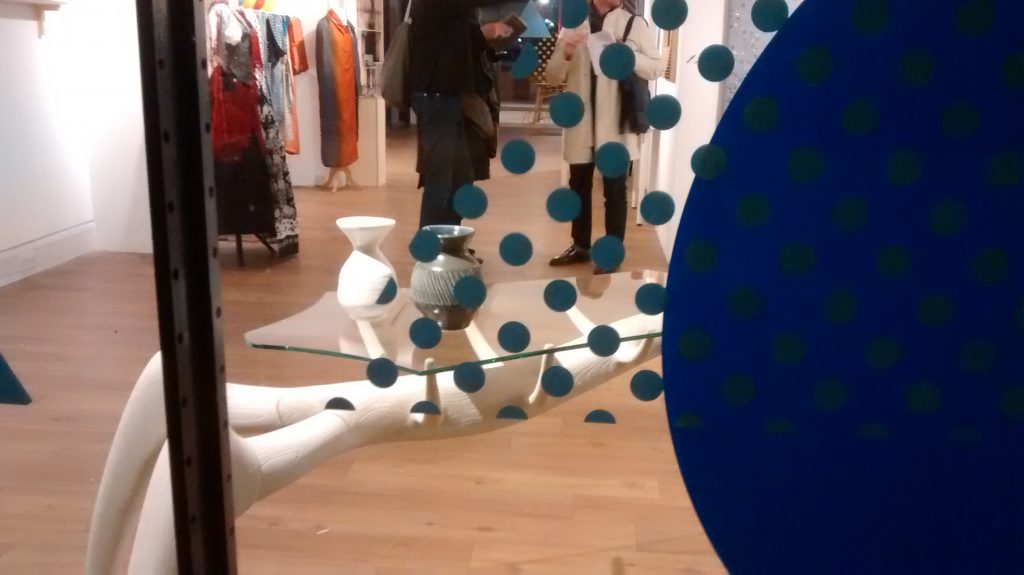
Vases by Linda Bloomfield, side table by Simon Yates, textiles by Ekta Kaul, window graphics by The Unloved.


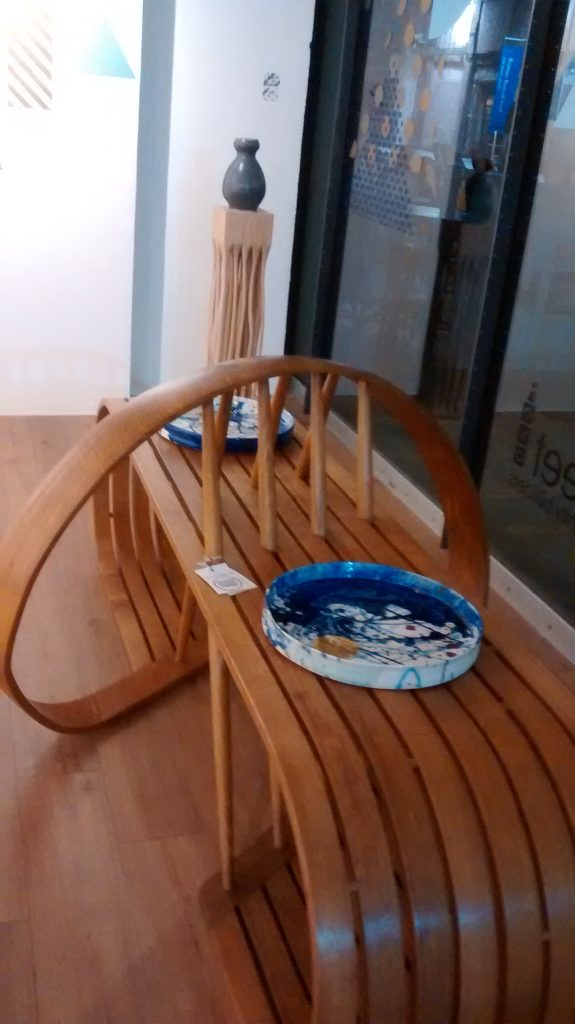
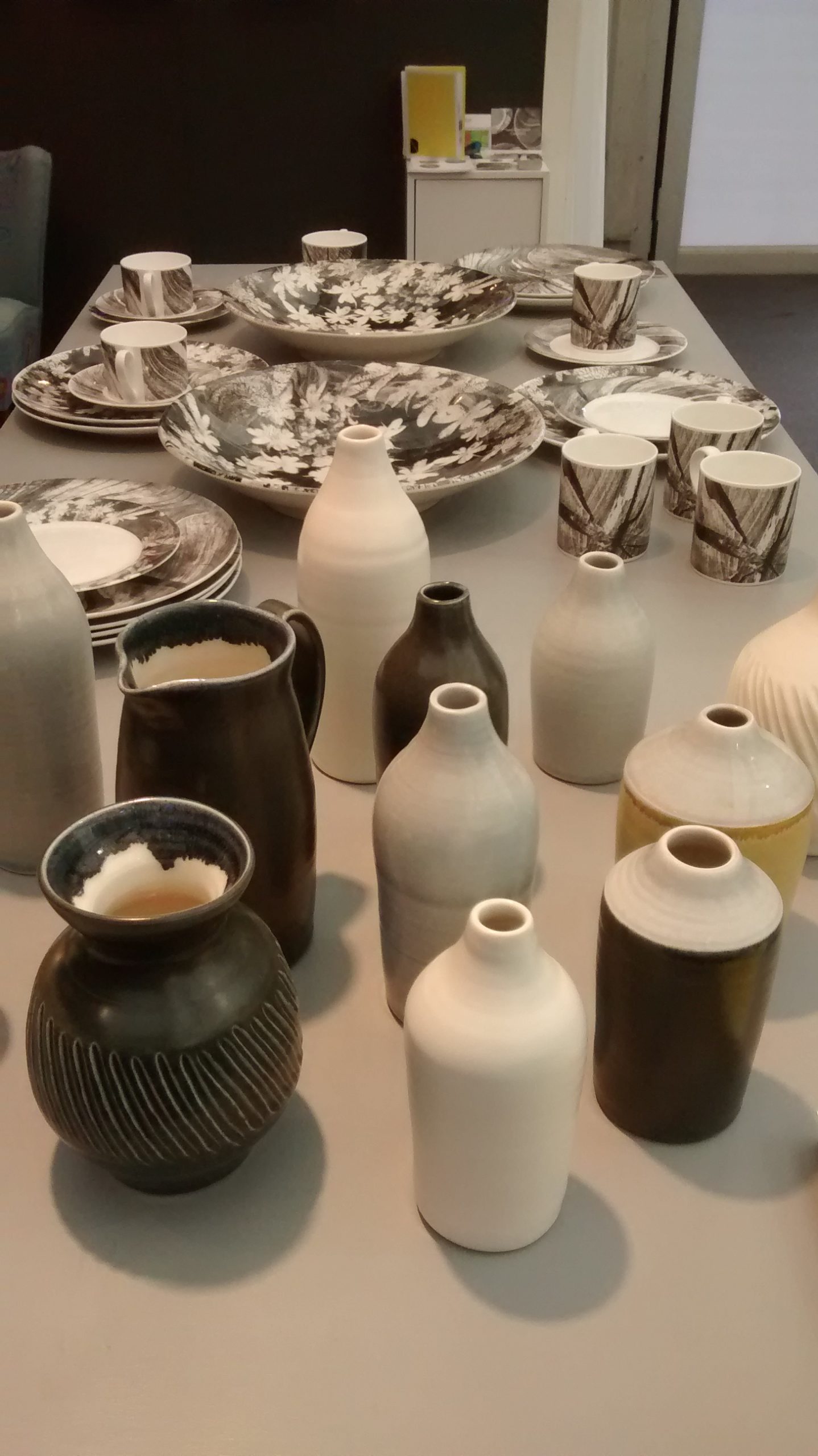
Forth Bench by Angus Ross, platters by Taz Pollard, Undergrowth stand by Simon Yates, vase by Linda Bloomfield.
Posted on

Glaze course dates 2017

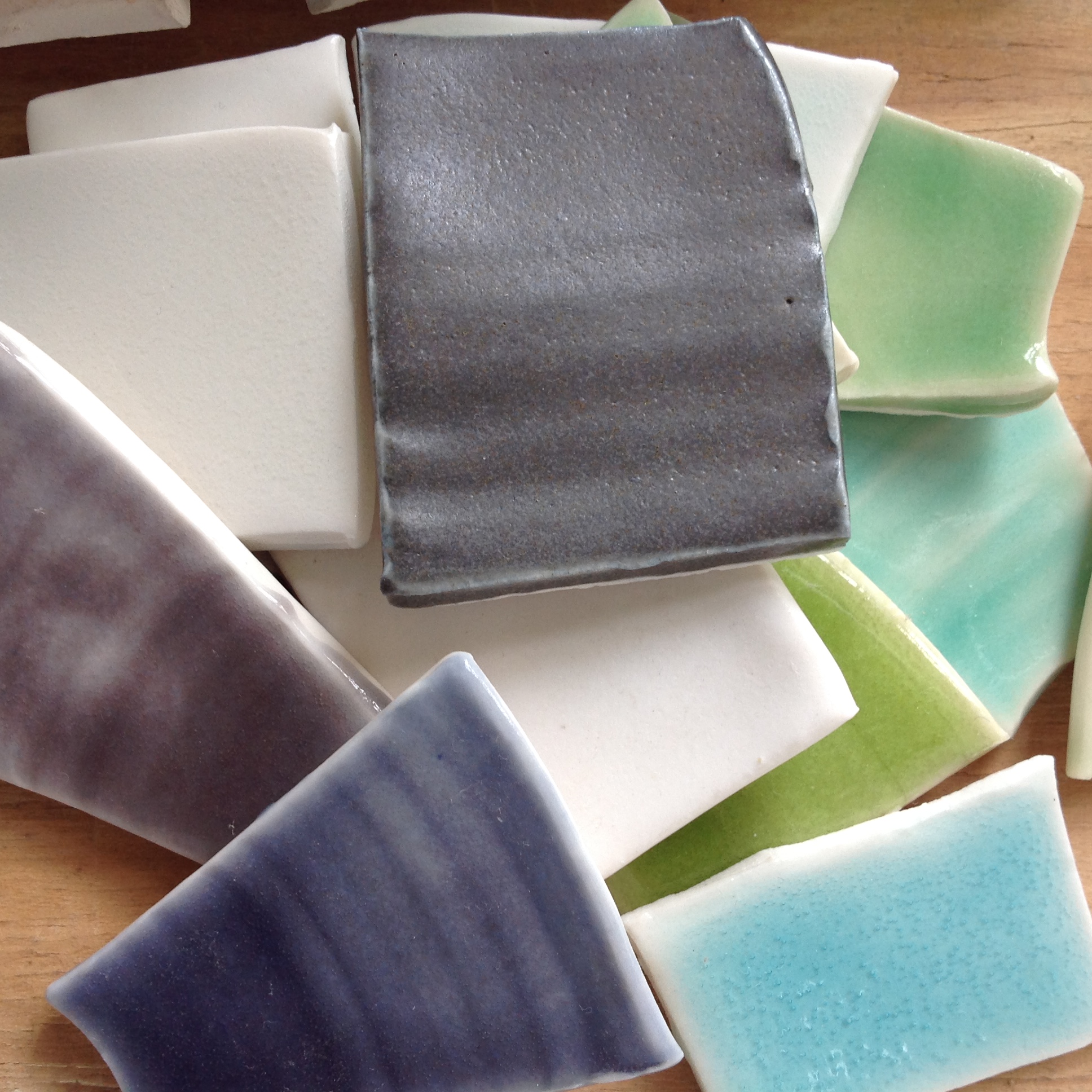
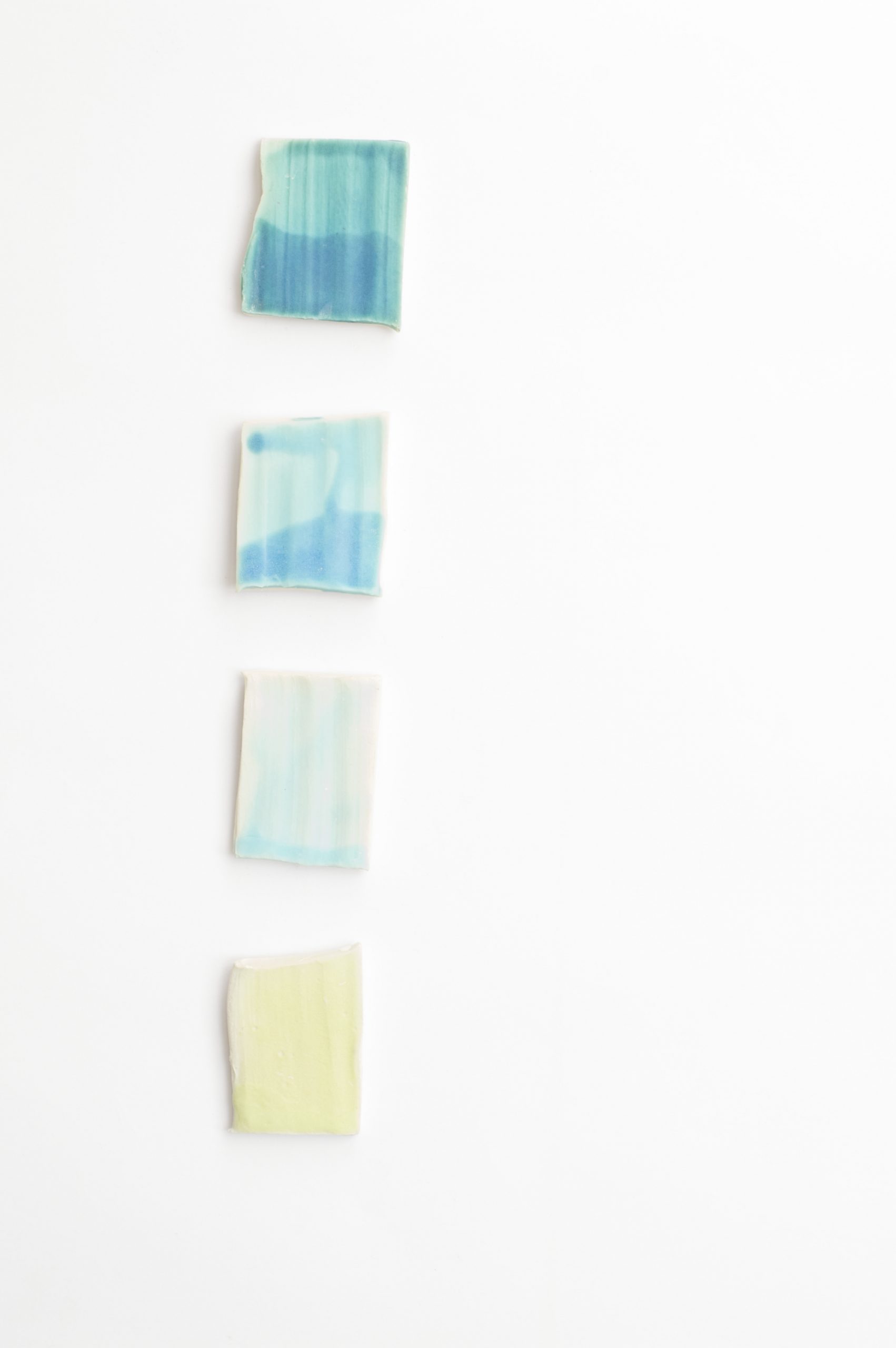
Linda Bloomfield - glaze test tiles

I have been asked to teach several glaze courses in 2017.

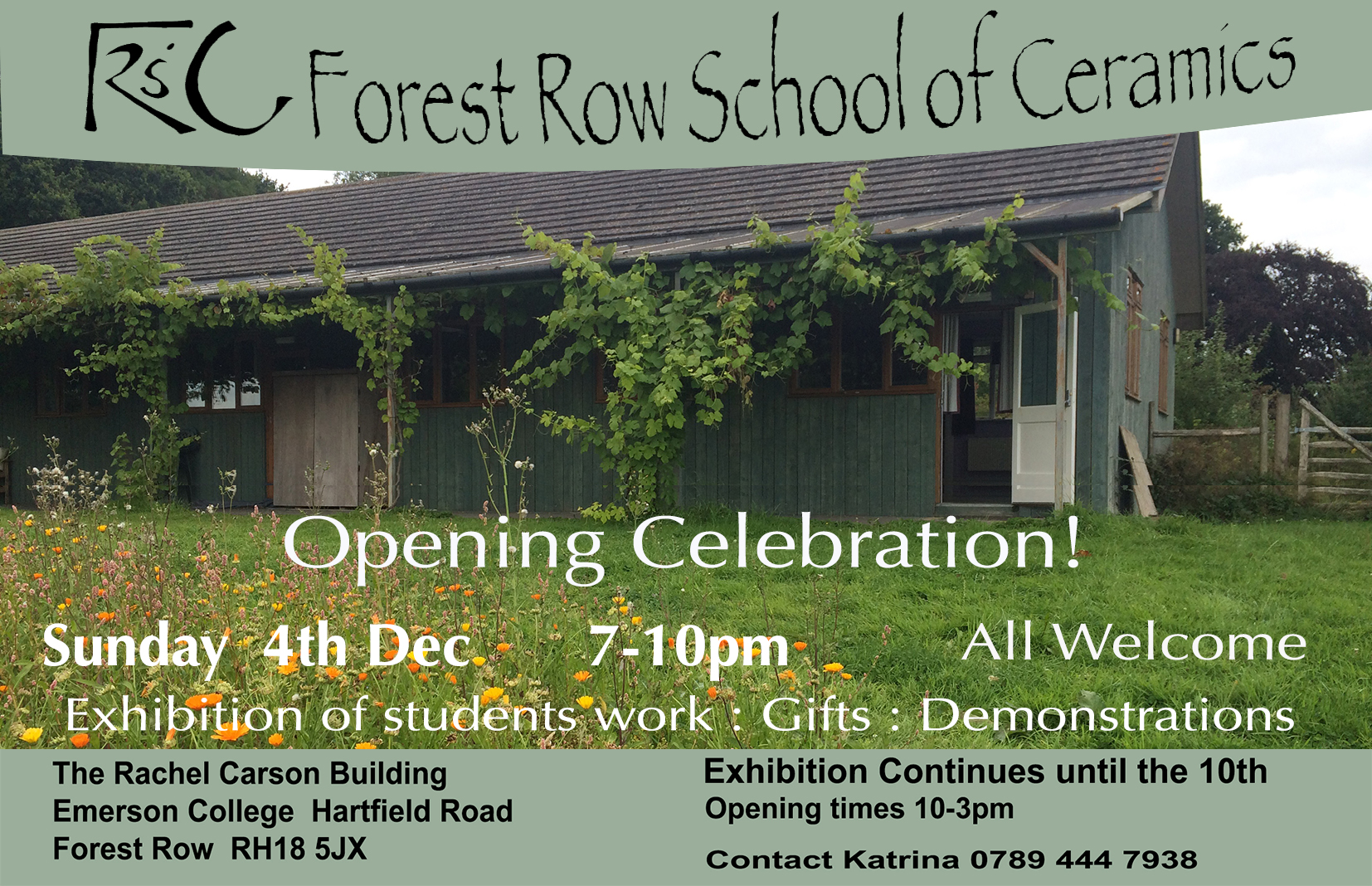
A new pottery school is opening in Forest Row in Sussex. I will be teaching glazes there 0n 17-19 February 2017. Contact Katrina Pechal on 0789 444 7938. You can visit the school when they open in December, courses start in January with tutors including Stephen Parry and Ruthanne Tudball.

The founder Katrina Pechal says, “ I am saddened to see so many high-level ceramics courses around the country closing. My days training at Camberwell School of Art were inspiring, having lessons with famous potters like Takashi Yasadu, Colin Pearson and Ewen Henderson among others was a great privilege and I want the next generation of potters to have the same opportunities. I have noticed a recent increase in the popularity of pottery, thanks in part to the BBC’s “The Great Pottery Throw Down. I feel this is a perfect time to move to a bigger site with better facilities where I can help students to train and develop their craft”.

 Forest Row School of Ceramics will be based in the Rachel Carson building at Emerson College, set in beautiful grounds within walking distance of the village. It offers outdoor space, which Katrina needs for a kiln site (a kiln-building workshop run by Joe Finch, Potter and author of Kiln Construction (a brick by brick approach), is already planned for early next year). Emerson also has more classrooms Katrina can utilise as she expands plus affordable student accommodation it needed.

Forest Row is three miles from East Grinstead in Sussex, situated next to the idyllic Ashdown Forest yet within easy access of the M23/M25 and a short drive from Gatwick Airport, the South Downs and the creative hub of Brighton.

final-invite


I will also be teaching colour in glazes at West Dean College on 5-9 March (the course is now full but you can try the waiting list), and demonstrating throwing and glazes all weekend at the Scottish Potters’ Spring Workshop at Tulliallan on 10-12 March.

For anyone in London there are glaze courses at the Morley College in February and April but I will not be teaching them.

Exciting news: I will be teaching a glaze course in Belgium in 2018.

If you can’t come on a course, you can still learn from my books.

Posted on

Matt glazes

I have recently finished teaching my glaze courses at West Dean and Morley College. Several students were interested in barium matt glazes. As barium carbonate is a toxic material, many colleges have changed to using strontium carbonate. While strontium carbonate is not toxic, it still may contain a small amount of barium carbonate, so care should still be taken when using it.

Barium matts give a range of bright colours: turquoise from copper, chartreuse from chromium, bright blue from cobalt, pink from manganese and purple or bright pink from nickel oxide. Strontium gives similar effects, although it sits between barium and calcium in the periodic table.

To substitute strontium for barium in a glaze recipe, you should multiply by 0.75. Strontium is lighter than barium, so less is needed to give the same number of molecules in a glaze. The recipe can then be re-calculated to add up to 100.

The following is a cone 8 (1250 C) barium matt recipe from my book the Handbook of Glaze recipes which I have converted to strontium.

Potash feldspar 40

Strontium carbonate 30

Lithium carbonate 3

China clay 6

Flint 18

Zinc oxide 3

The glaze gives a good turquoise with the addition 2% copper oxide.

Barium matt glazes
Barium matt glazes: copper turquoise and chromium green.
DSC_0011
Barium matt glazes: manganese and nickel pink.
Posted on

Small Business Sunday

On Friday I went by train to Birmingham for my third visit to the annual get together of Small Business Sunday winners. Every Sunday evening, Theo Paphitis of Dragon’s Den, shopkeeper, entrepreneur and owner of Ryman and Robert Dyas, chooses six small businesses from those who Tweet to him about their business on Twitter. Every Monday he retweets the six businesses, who then become members of his #SBS winners’ club. I became a #SBS winner in 2013. Every year, he invites us to a day of talks, networking, questions and answers from invited entrepreneurs. This year I was excited to learn that Holly Tucker of Not on the High Street.com would be speaking, as well as Mike Pickles of Really Useful Boxes.

We arrived in the morning and had time to network with other small businesses over tea and biscuits. I always seek out other creatives by heading towards anyone who is brightly dressed. This year I met Victoria Eggs, Jessie Jumbles and Betsy Benn (what lovely names they have), among others.

Then we sat down and were introduced to representatives of Theo Paphitis’ businesses and sponsors, Ryman, Robert Dyas, Red Letter Days, iLaw and DHL. Finally, Theo Paphitis came on stage and told us how to make our own luck: “The harder you work, the luckier you get”. We also heard about a new online marketplace to be launched for #SBS winners to sell their products and services.

theopaphitis
Theo Paphitis at the Small Business Sunday event 2016, photo by Christian English.

We had a lunch of prawn sandwiches, mini quiches and chips, while networking with the other small businesses. I wanted to find some of the other sellers on Not on the High Street.com, but they had been delayed as one in their group had brought their small baby and had trouble getting in. When they did get in, with help from Holly Tucker, they all sat together in a group and I went to say hello. They included Betsy Benn, who makes personalised typographic prints, Chiara Stone of Hoobynoo World and Louise Verity of Bookishly, who was the one who had brought her small and well-behaved baby along.

After lunch, we had a long question and answer session with Mike Pickles, Holly Tucker and Theo Paphitis. There were some interesting questions and inspiring answers, such as how to turn a complaint into an opportunity and whether to collaborate with or fight against your competitors.

SBSQandA
The panellists Mike Pickles, Holly Tucker and Theo Paphitis, photo by Betsy Benn.

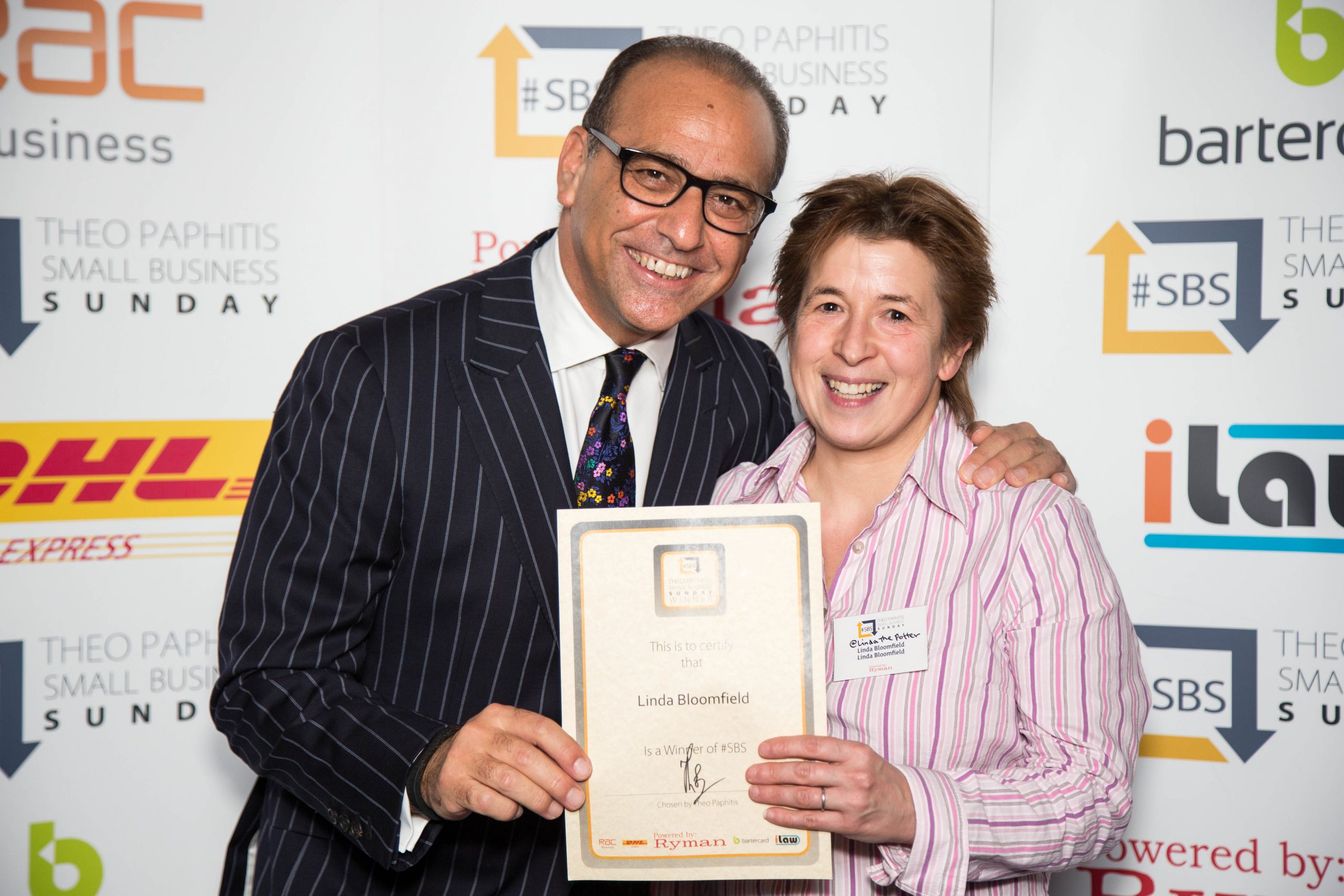
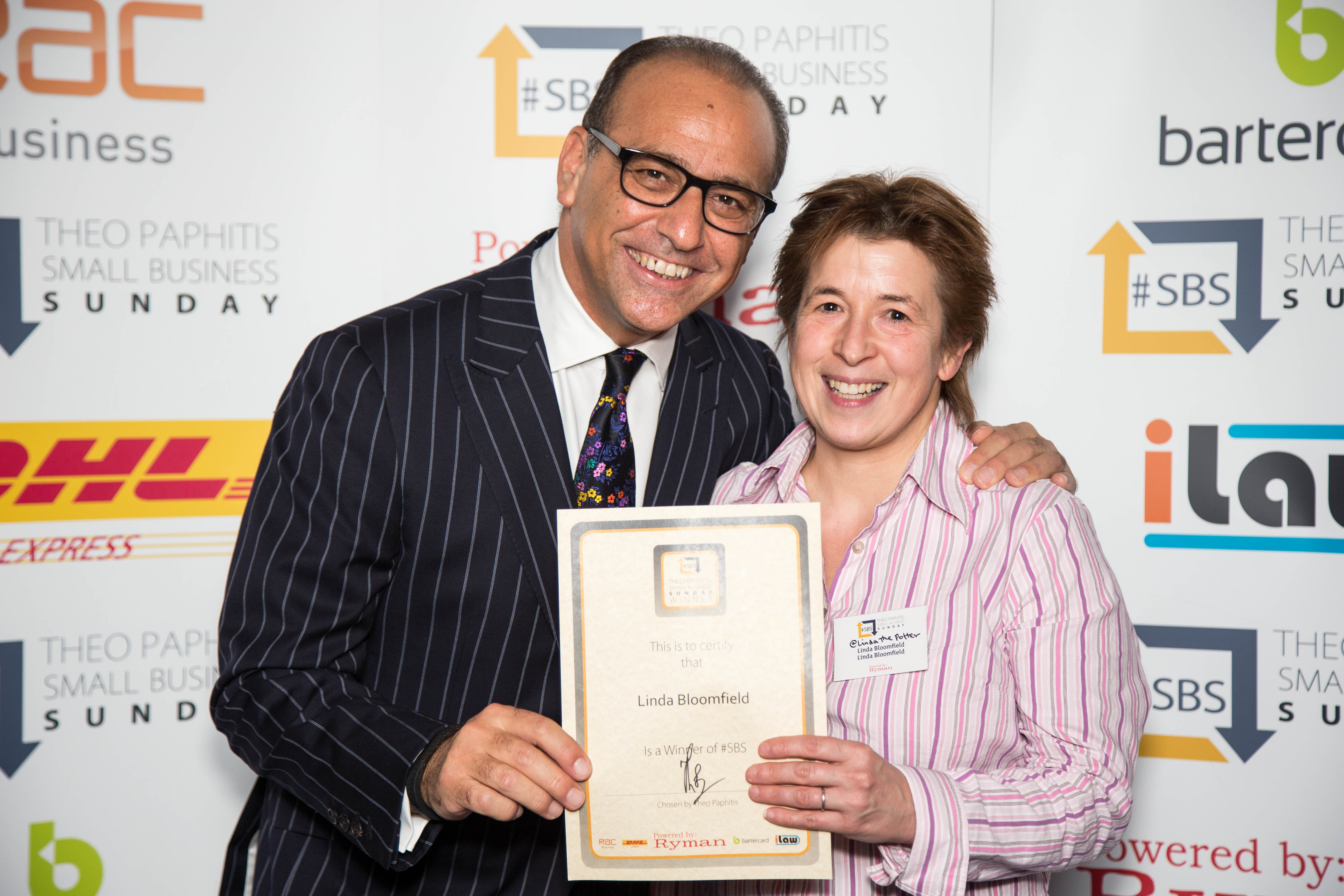
At the end, new winners had their photographs taken with Theo Paphitis. Here is my photo from 2014.

SBS winner Linda Bloomfield with Theo Paphitis
Posted on

Maison et Objet Paris 2016

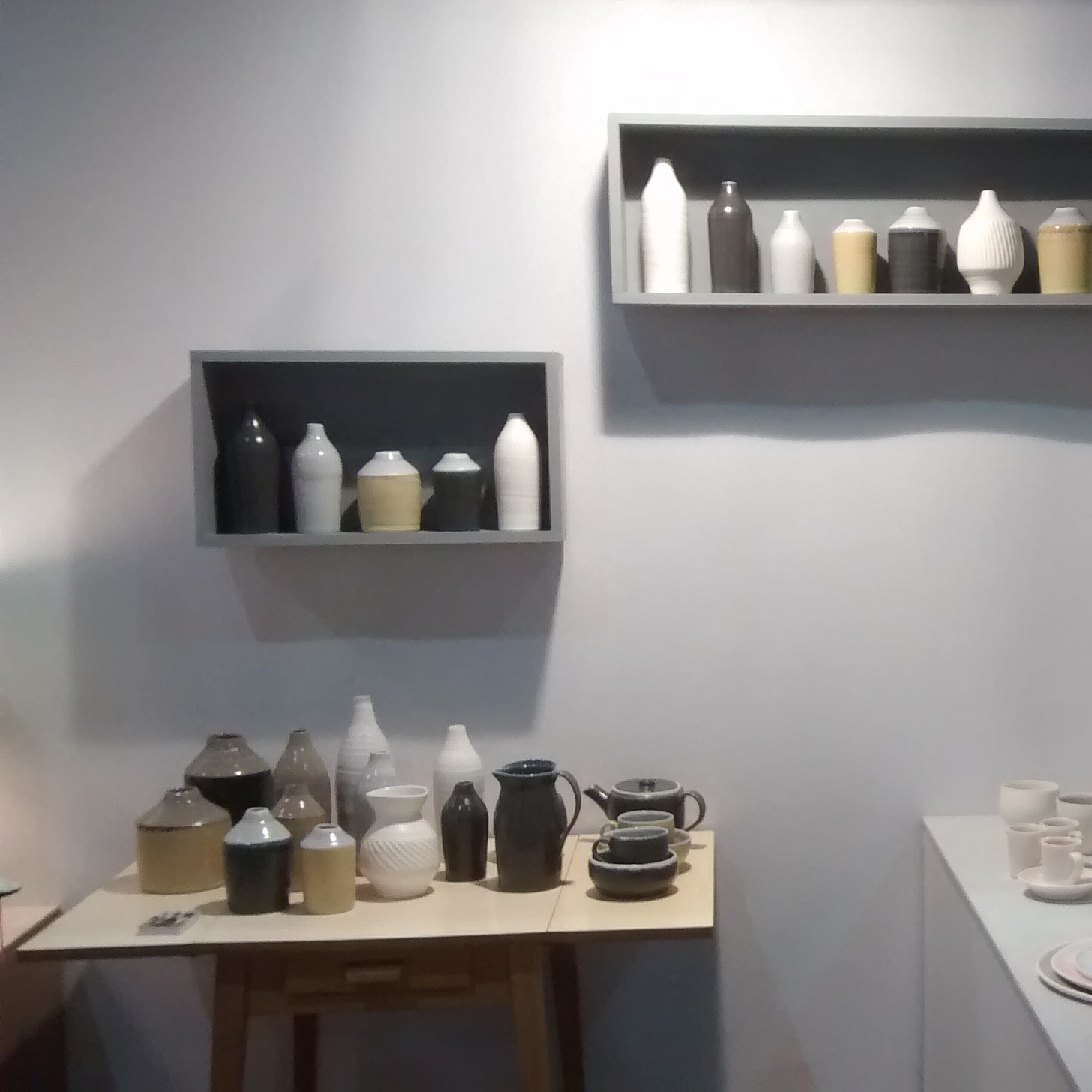
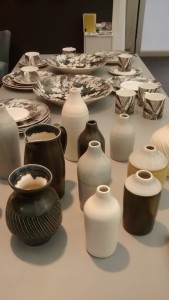
Ceramic bottles inspired by Morandi

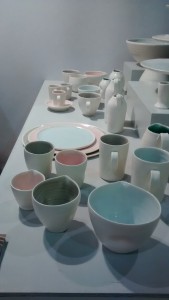
I have been exhibiting in Paris at Maison et Objet with the British European Design Group. I took a selection of my Morandi inspired bottles and vases as well as my handmade tableware range. The new collection was very well received by the press and buyers, particularly French and Swiss. Unfortunately, after the recent terrorist attacks in Paris, the number of visitors was down by 40%, so I did not meet as many American and Japanese buyers as last year.

Ceramic bottles inspired by Morandi
Linda Bloomfield stand at Maison et Objet

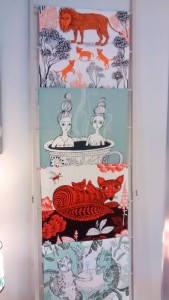
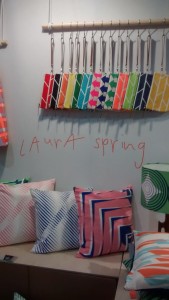
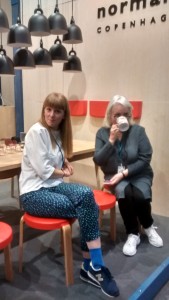
My neighbours on the British European Design Group stand were the lovely ladies of Lush Designs, Maria and Marie. They design textiles, lampshades and ceramics printed with fabulous creatures and landscapes. On the other side was Laura Spring from Scotland, who I met on the trade mission to Tokyo last year. She designs abstract printed cushions, lampshades and bags in bright, fresh colours. We were all opposite Normann Copenhagen from Denmark who were showcasing their modern furniture, lighting and accessories.

IMG_20160122_082827102IMG_20160122_130833949IMG_20160124_111723358IMG_20160124_161713632_HDR

Posted on

Tokyo

I have been in Tokyo for a week on a trade mission and showcase of British fashion and lifestyle brands at the British Embassy. Japanese buyers were invited to the two-day showcase at the Ambassador’s residence, and there was also a reception in the evening of the first day.

IMG_20151104_014648274_HDR

I met some lovely Japanese buyers and on the second day, a lady from a gallery in Kobe bought most of the pots on my stand.

IMG_20151104_142251805
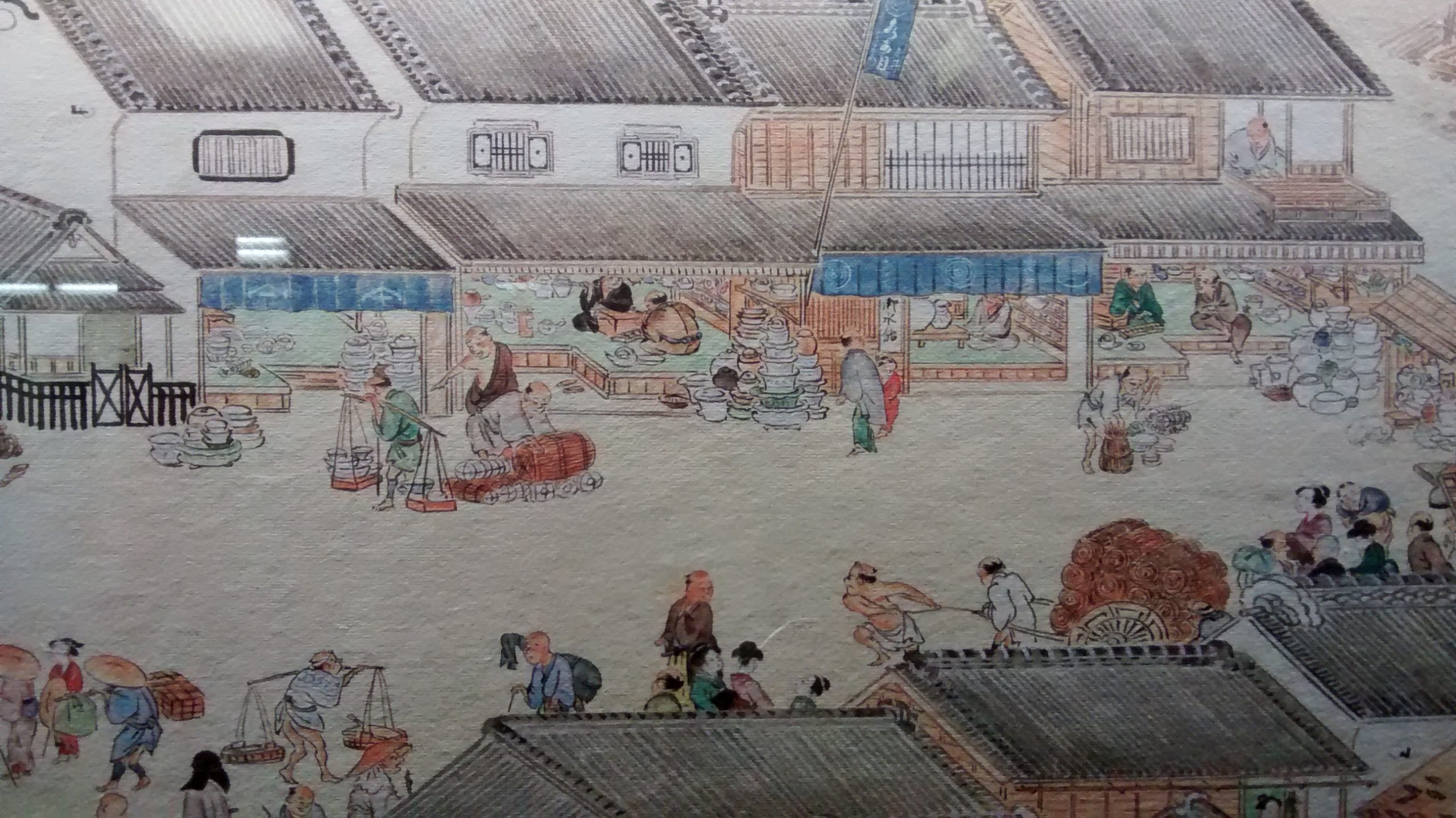
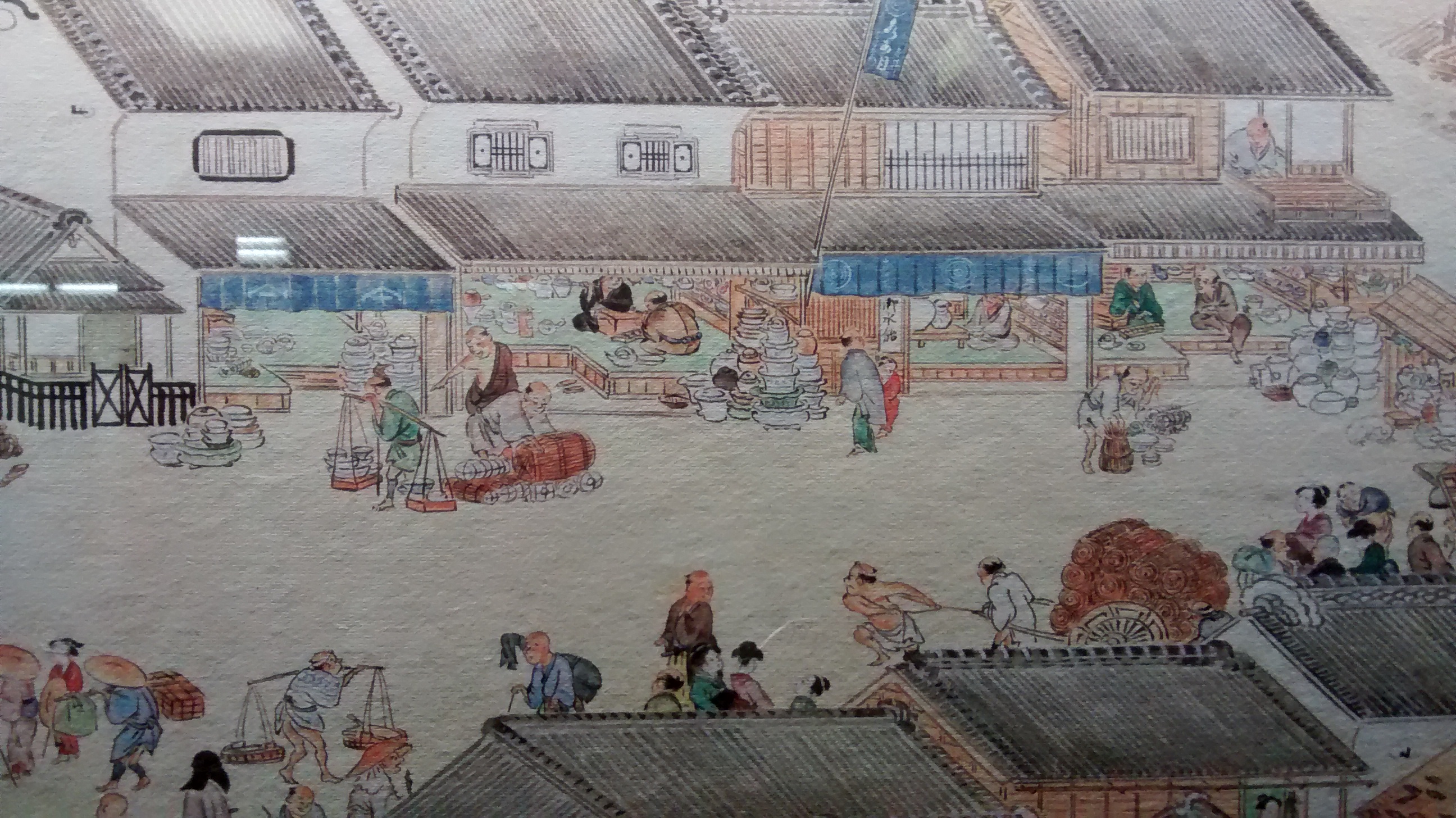
Scroll painting at Mitsukoshimae, showing Nihombashi in the Edo period around 1805


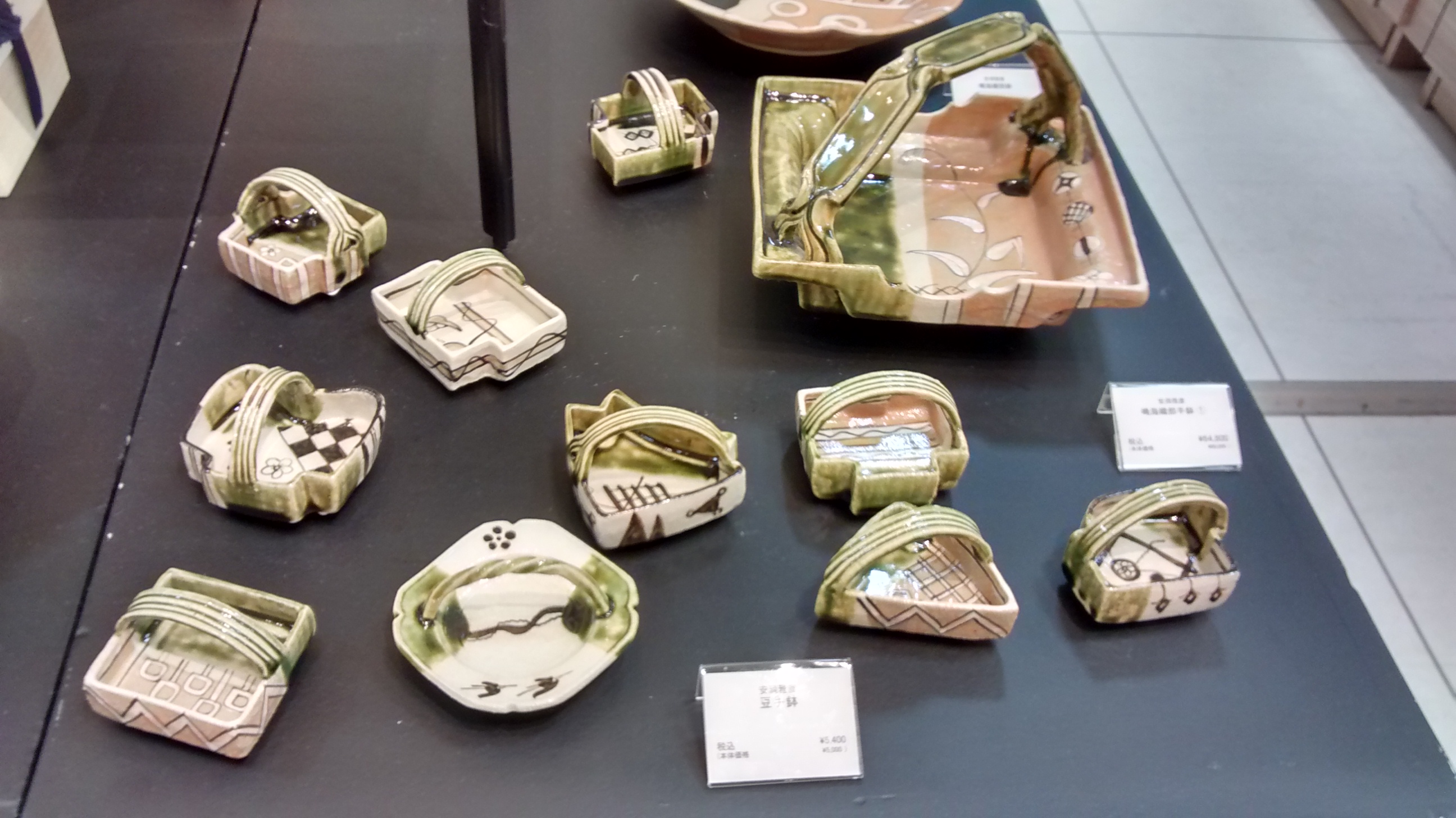
On the day after the showcase, we had interesting presentations by two large Japanese stores. We also visited various shops around Tokyo. I went to department stores Mitsukoshi and Takashimaya, where they sell beautiful handmade Japanese pottery.

IMG_20151102_012038223_HDR

I also went to Beams Fennica Harajuku, where there was a beautiful selection of pottery from Mashiko.

Mashiko pots at Beams Fennica

On the last day we had presentations by two large Japanese stores, United Arrows and Isetan, Shinjuku. There was a British Week in Isetan, including Campaign for Wool displays for Wool Week.

The trip was organised by UKTI and the UK Fashion and Textile association.

Posted on

Geology for potters

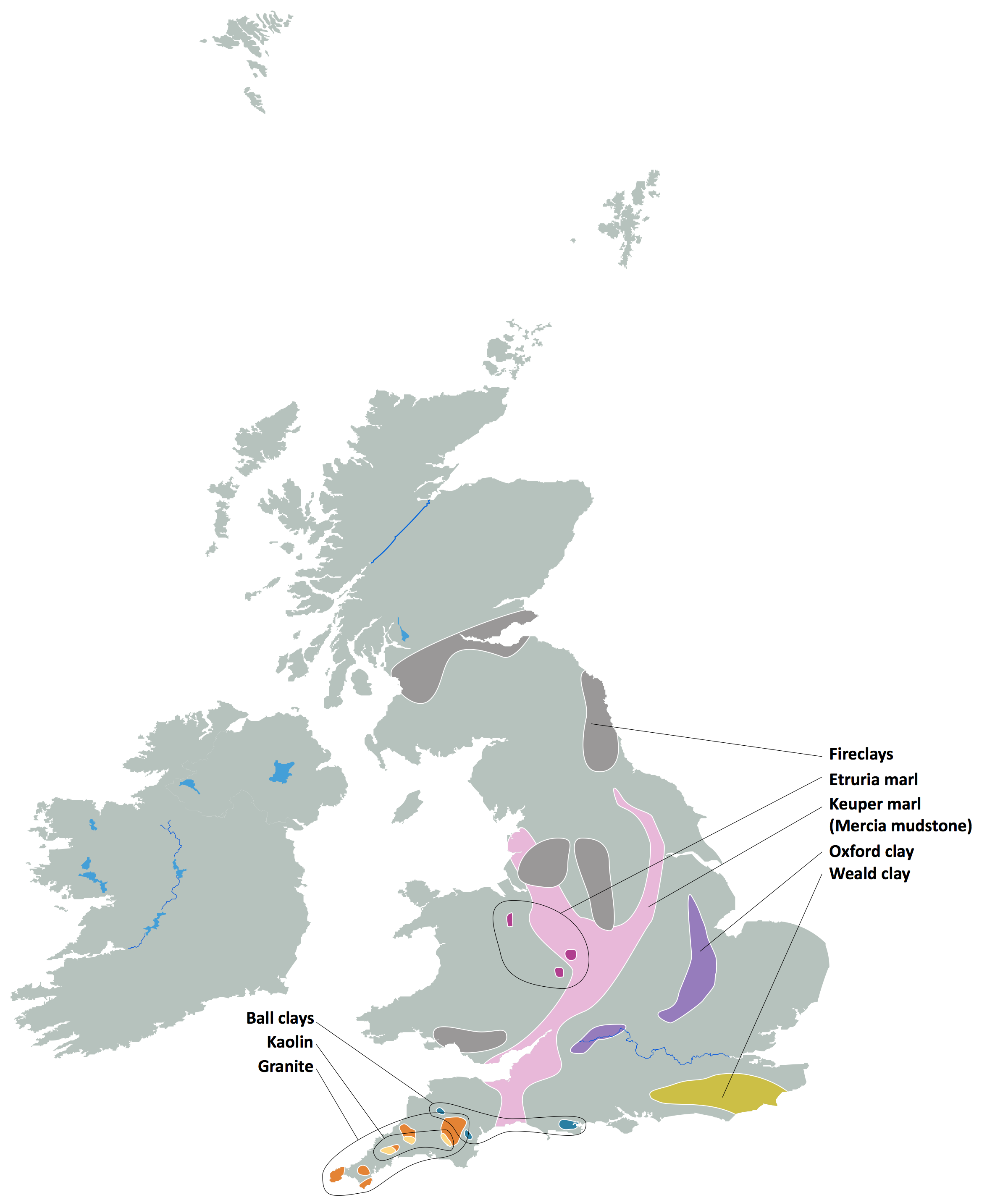
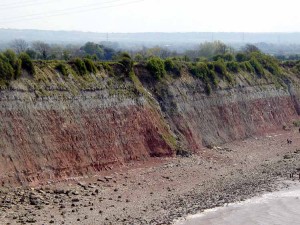
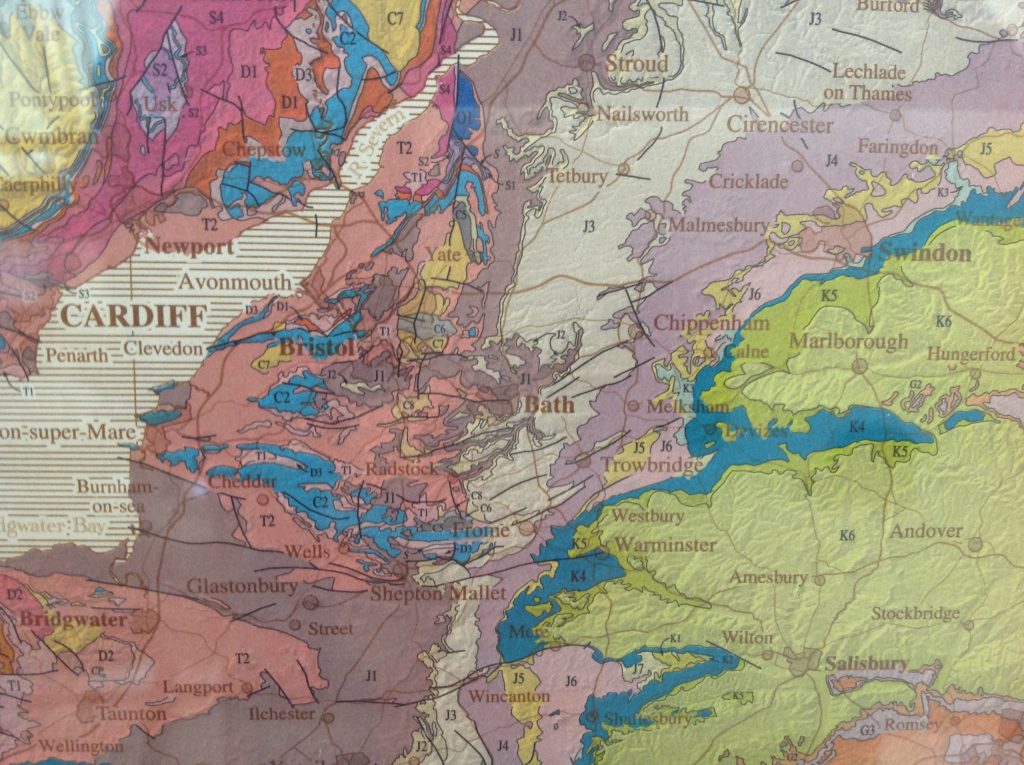
I am currently writing a book on Science for Potters for the American Ceramics Society. An extract on Geology for Potters has been published in Ceramics Monthly November 2015. Many potters use locally sourced clays and rocks in their clay bodies, slips and glazes. While researching for my book, I have become interested in geology and spent part of my recent holiday in Cornwall visiting clay mines and searching for rocks. My father used to take me on rock collecting expeditions to Aust Cliff under the old Severn suspension bridge, where we found quartz crystals and fossils. Aust Cliff is composed of layers of red mudstone and limestone.  You can see in the geological map below, it is part of the Mercia mudstone red clay shale deposit which stretches from the north of England coal beds down to the south coast. I recently visited an exhibition in  National Museum Cardiff  on the geological maps of William Smith, who first realised that layers of rocks were laid down in a sequence according to the fossils embedded in them.
You can read my article here:

Bloomfield_Nov2015

OLYMPUS DIGITAL CAMERA
Aust Cliff, photo Adrian Pingstone 2002
Map of clay deposits in UK
Map of commercial clay deposits in UK by Henry Bloomfield
Posted on

Autumn shows

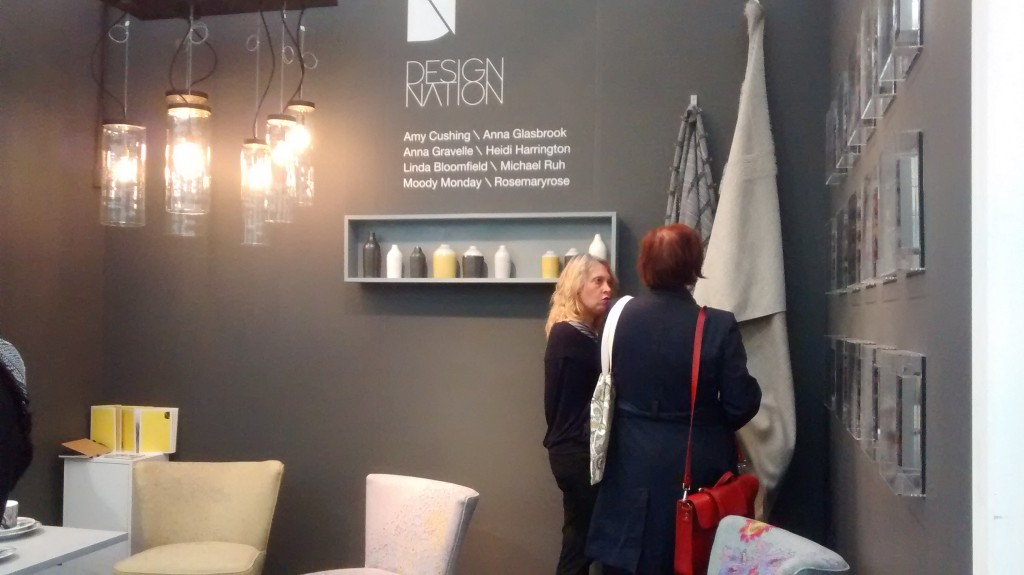
I recently exhibited at Decorex with Design Nation. Decorex is a high-end interior design show held in a marquee in Syon Park. Liz Cooper of Design Nation curated a beautiful stand with the theme Future Heritage. There was a lot of buzz about crafts at the show, with a stand of Future Heritage crafts curated by Corinne Julius  and a fabulous  VIP lounge curated by the New Craftsmen with handmade baskets from all over the British Isles, ceramics by Akiko Hirai and embroidered floor cushions by Aimee Betts. Design Nation is a lovely organisation, who have also curated a showcase on the theme of Light in the Southbank Centre shop, Royal Festival Hall for the month of October. My Morandi bottles are currently on display there in the window.

IMG_20150922_123951897
Morandi bottles in front of Heidi Harrington’s tableware
IMG_20150921_115306347
Liz Cooper of Design Nation and Patricia Van Den Akker of the Design Trust, lights by Michael Ruh, ceramics Linda Bloomfield, chairs Rosemaryrose, throws Anna Gravelle, glass wall pieces by Amy Cushing.


The week before, I had my own stand at Home London at Olympia. There was a lot of interest in the Morandi inspired bottles. I received several orders for my new Morandi tableware range from Ochre, New York; The Longship, Orkney and Frank, Whitstable, and I sold all the bottles on the stand at the end of the last day. I’m now making orders and  getting ready for my next show, MADE London on 22nd-25th October.

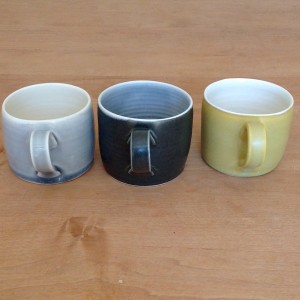
New short mugs

Posted on

Cornish clay pits

I have been visiting clay pits in Cornwall, researching for my next book Science for the Potter. I visited three clay pits. The first was in St Erth near St Ives, a disused clay pit where sand and red clay were once dug. The pit has been turned into a nature trail but you can still see a rusted metal trolley embedded in the ground. It is very overgrown but there is still visible red clay and sand, which Bernard Leach used in his earthenware clay body.

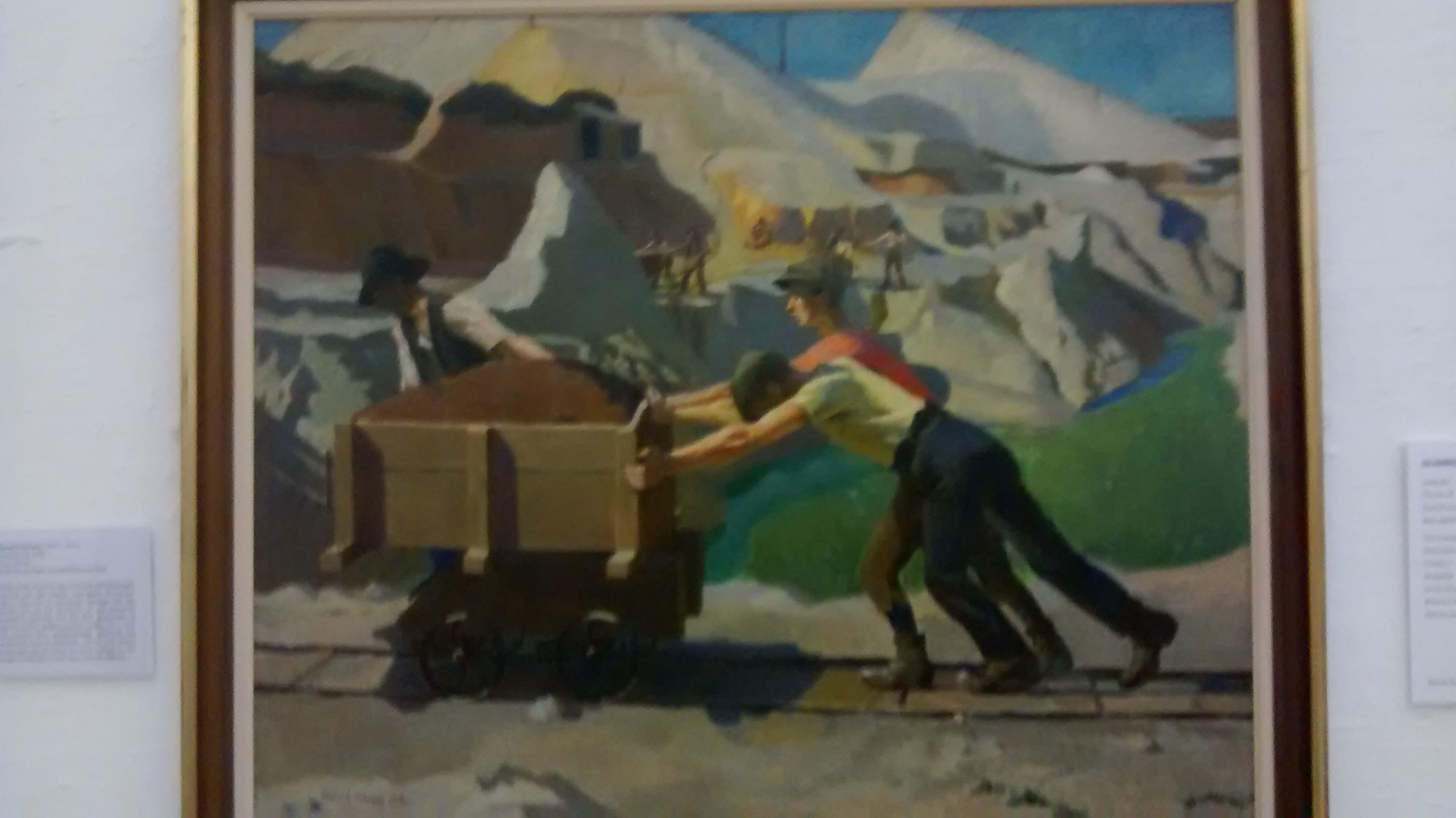
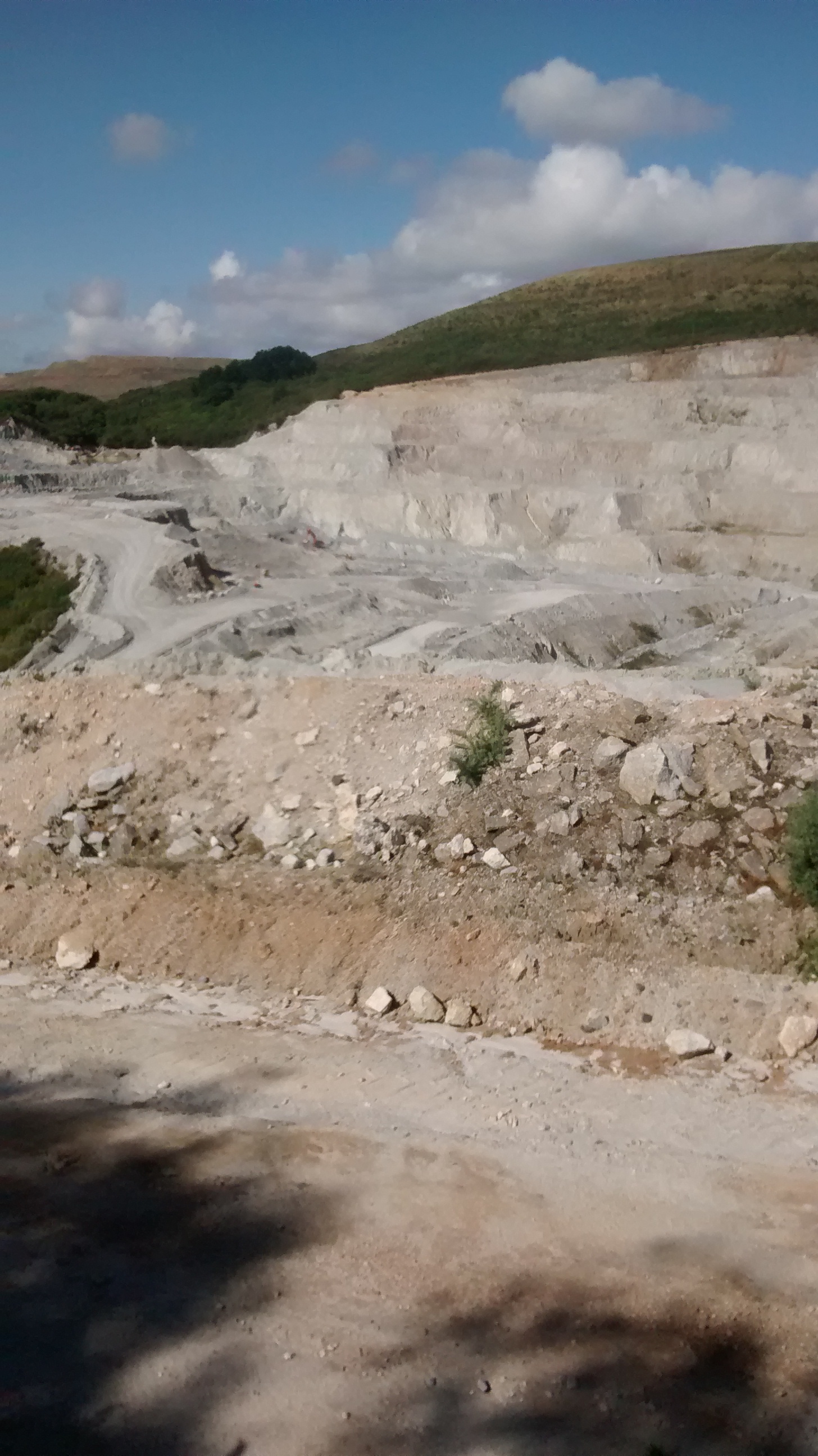
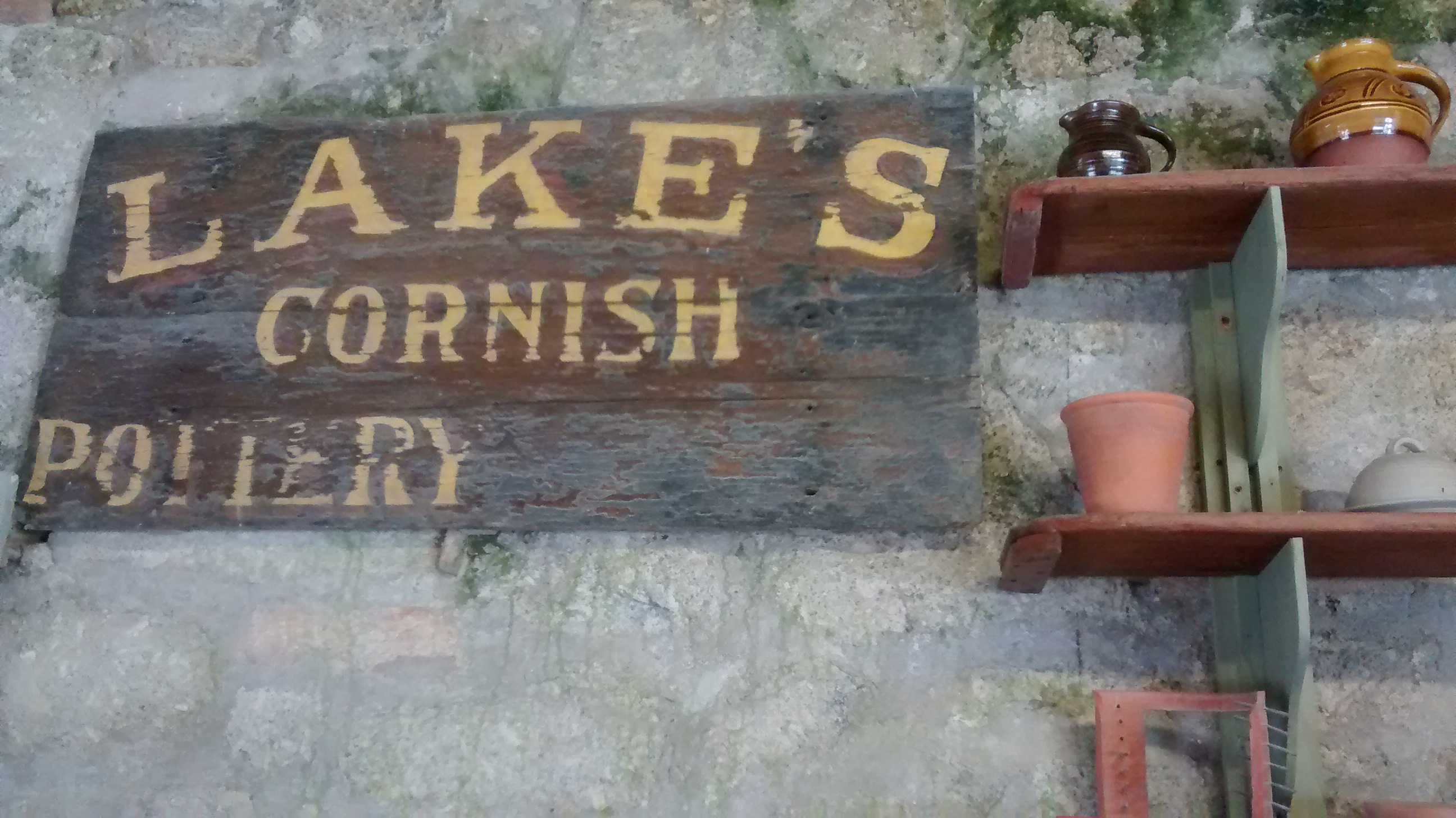
I also visited a china clay pit, Wheal Martyn near St Austell. Unlike other types of clay, china clay is not found in an immediately usable form. It is part of a crumbly white rock, which is decomposed granite. The clay is washed out of the rock by directing a powerful jet of water onto the newly exposed rock. The water is pumped out of the mine and left to settle in tanks. The sand and mica settle out, leaving china clay, which is drained off and dried. At Wheal Martyn you can see a working pit now owned by Imerys, as well as the old settling tanks and drying sheds once used to process the china clay. There are displays of old machinery and earthenware pots made by Lake’s pottery in Truro. On the way home we stopped in Bristol, went to the Royal west of England academy of art and by chance saw the painting of The Clay Pit by Harold Harvey of the Newlyn School, painted in 1923.

IMG_20150818_103021553
Wheal Martyn China clay pit
IMG_20150818_110349560
Lake’s Pottery display

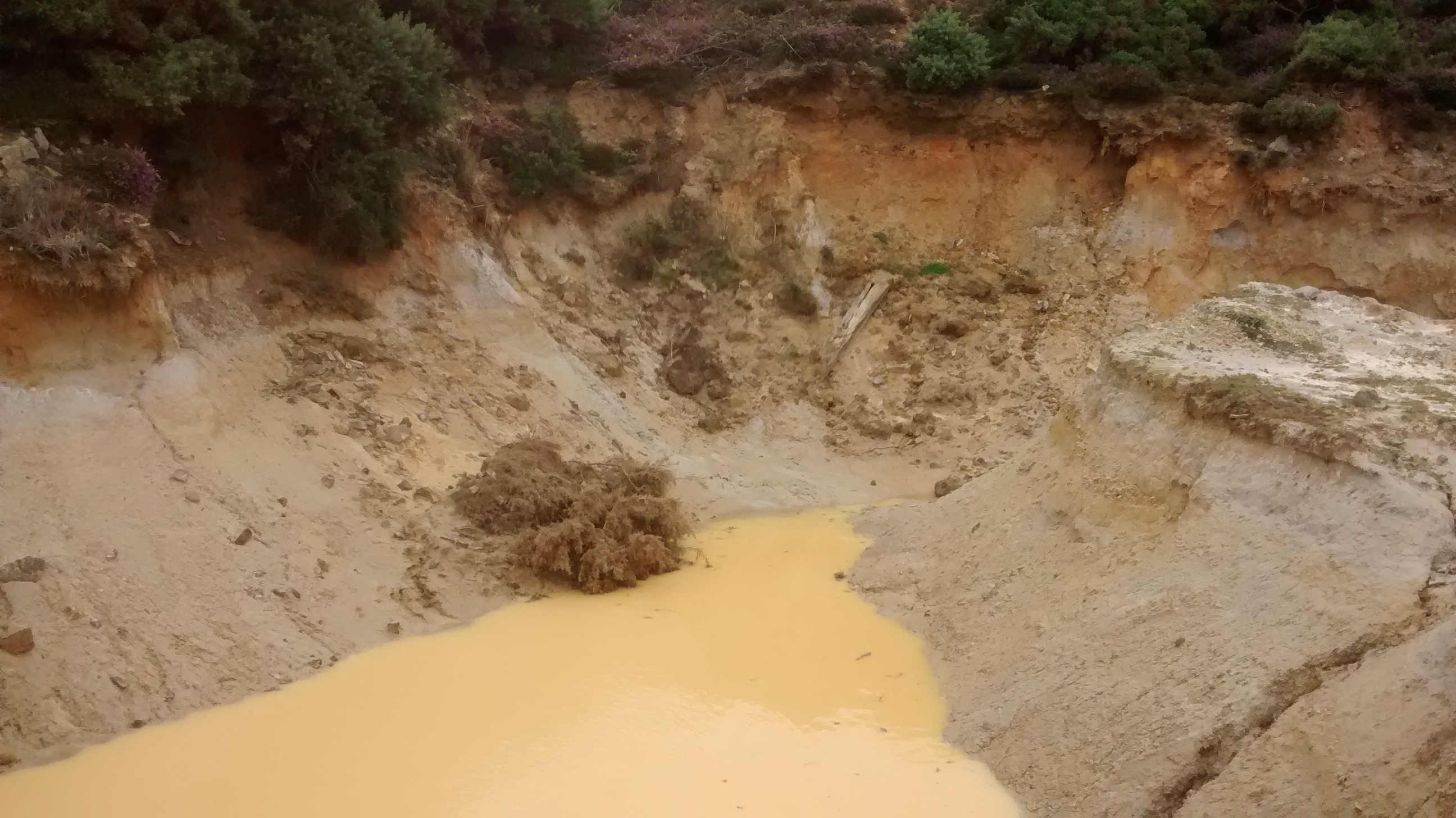
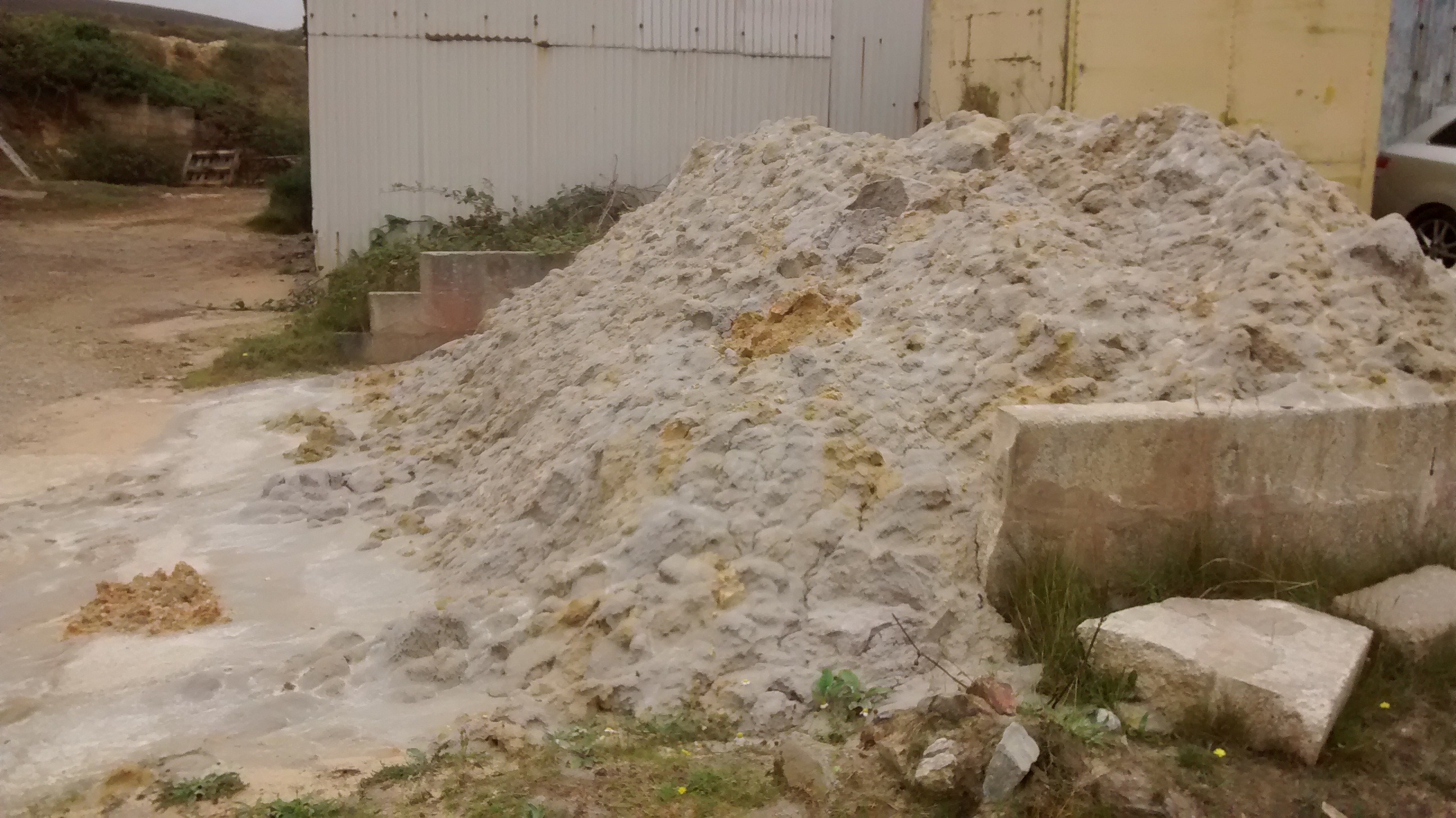
On on the last day of the holiday I drove to Doble’s clay pit in St Agnes. I got lost down a long rutted track but finally found the clay and sand pit with some directions from Mr Doble. I bought a bag of his stoneware clay and had a look at the clay pit, grey fireclay which lies directly under the gorse and heather on the headland near St Agnes Beacon. Doble’s has supplied the Leach Pottery with stoneware clay since the 1960s. I’m looking forward to trying the clay out with my glazes.

IMG_20150820_160341550
Doble’s clay pit St Agnes
IMG_20150820_160610863
Store of fireclay at Doble’s